The 2050 Carbon Neutrality Goals and Promise Commitments

Short-term goals
(2025)

Focus on direct carbon reduction projects, starting with replacing equipment using natural gas (melting furnace, heating furnace, etc.) with high-efficiency motors, and developing circular economy aluminium materials by increasing the use of recycled aluminium and reducing the carbon footprint of aluminium.

Mid-term goals
(2030)

Combine the construction of renewable energy (increasing the use of green power), Fuel Mixing Hydrogen / Ammonia Technology, and Low Temperature Waste Heat / Steam Recovery Technology to continue the reduction of carbon emissions.

Long-term goals
(2050)

Integrate energy conversion (equipment electrification, hydrogen equipment), Carbon Capture, Utilization and Storage(CCUS), and Carbon Emission Trading. CSAC will continuously review progress toward achieving the 2050 carbon neutrality goal.

2024 Spotlights

Environmental

Cross-domain Integration, Linking a Sustainable Future
  • Co-organizing the APEC International Forum to Promote Sustainable Development in the Metal Industry through Circular Technology
  • Green Transformation of SMEs, Path to Net Zero Carbon Emissions
  • Assisting the Climate Change Administration, Ministry of Environment in Establishing National-Level Coefficients for "Carbon Emission Intensity" and "Carbon Footprint Emission Coefficient" of Aluminium Products

Social

Strengthening Occupational Safety Resilience, Driving Corporate Sustainable Competitiveness
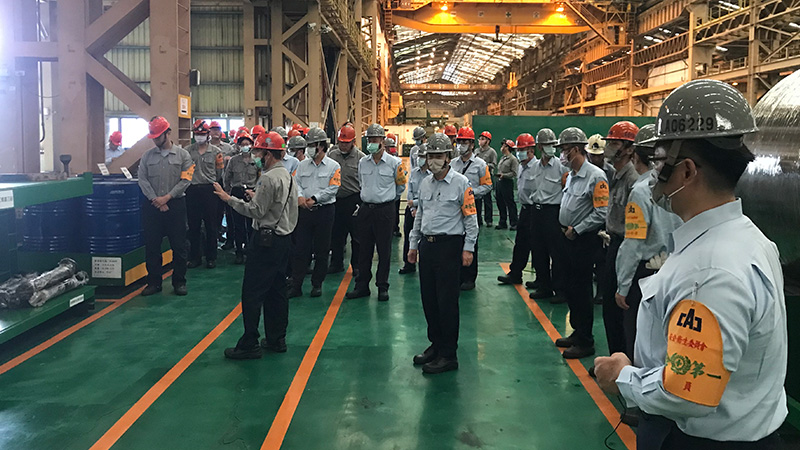
  • Occupational Safety Without Borders, Building a Safety Line with the Industry
  • Commitment to Zero Accidents, Continuously Creating a Safe Working Environment
Sustainable Roots, Green Together
  • Protecting Century-Old Greenery, Planting Sustainable Hope

Corporate Governance

Exploration and Innovation, Creating Exceptional Value
  • Developing ultra-wide marine Aluminium sheets to enter the defense and energy markets
  • Developing low-carbon green building curtain wall materials, creating new value for green buildings
Innovative Green, Sustainable Progress
  • Successful Registration of Green Trademark, Strengthening Identification and Promotion of Low-Carbon Products
  • Establishing Tracking Platform to Monitor Shipping Dynamics in Real-Time
  • Successfully passed the re-certification audit conducted by Kaohsiung Customs, Customs Administration, Ministry of Finance, and renewed the status as an Authorized Economic Operator (AEO)

Operational Resilience

In order to strengthen "operational resilience", we evaluated the environmental risk, human resources risk, safety and health risk, information system risk, financial risk, corruption risk, public facilities risk etc., and formulated relevant risk management policies or strategies to enhance our crisis response capability.

Stakeholder Interaction and Operation

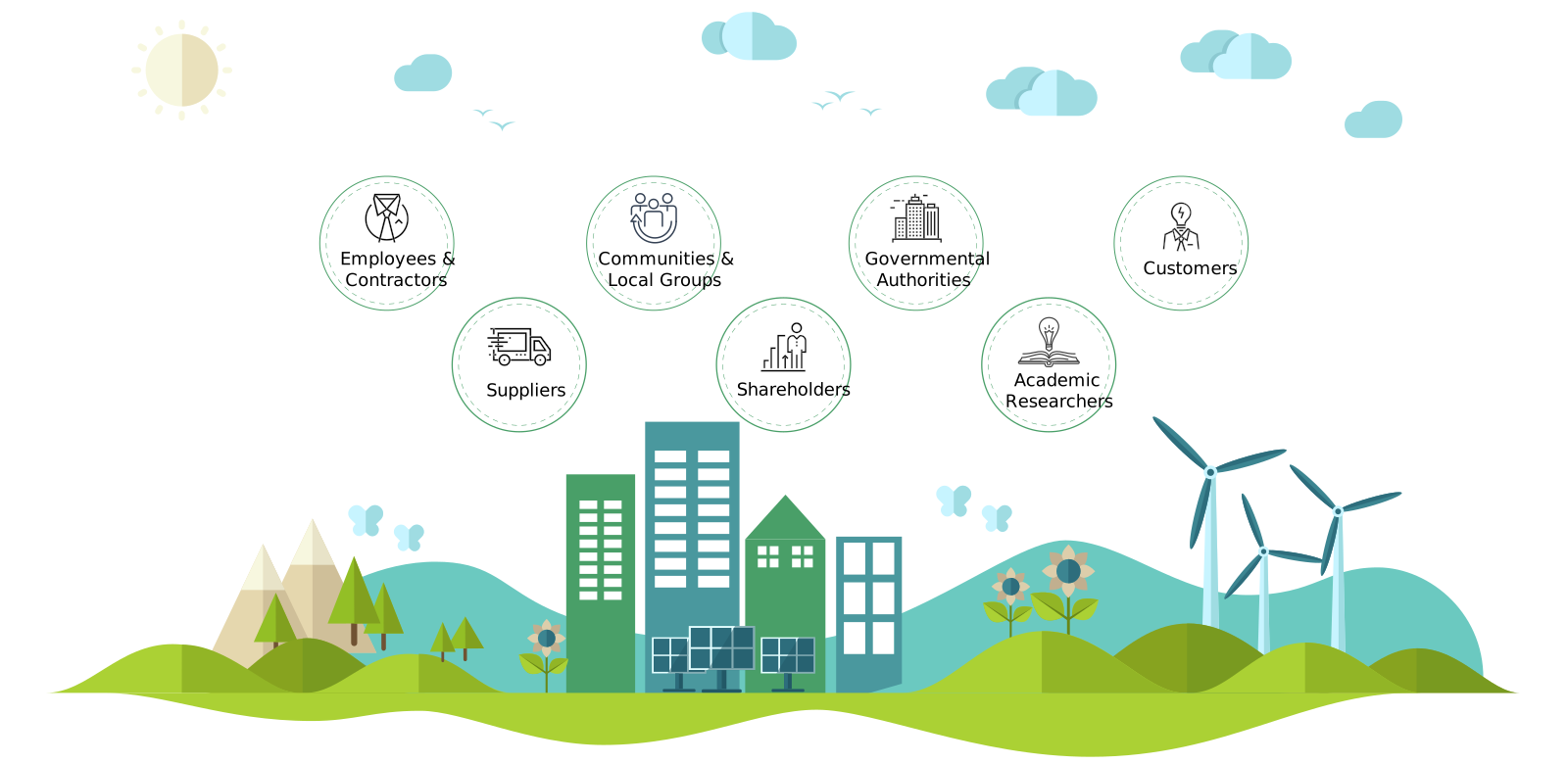
We emphasize the rights and opinions of our stakeholders and have open and direct communication channels with them. Each department and unit are responsible under the division of labor to understand and respond to the expectations and needs of stakeholders in a timely manner, and to continuously review and improve relevant performance. CSAC recognizes the close interaction between the company's sustainable operation and the society, and has identified seven categories of stakeholders in accordance with the AA1000 SES Stakeholder Engagement Standard after receiving the opinions of stakeholders from various units of the Company and discussing them at the relevant internal meetings. In addition to maintaining a smooth communication channel with stakeholders, we have established a materiality analysis process with reference to the GRI General Standard 2021 and stakeholder engagement criteria, and responded to material topics of high concern and high impact in the Sustainability Report and on the official website.

Stakeholder

2024 Material Topics & Management

Energy Saving and Carbon Reduction

Increase the use of recycled Aluminium, Complete greenhouse gas inventory, and Reduce process energy consumption. Planned and upgraded equipment for energy-saving improvement projects in production operations.
E

Occupational Safety and Health

Focusing on the Occupational Health and Safety Management System (ISO 45001 & CNS 45001), we continuously improve through the PDCA cycle management approach. Regular reviews of performance indicators from various departments are conducted in the company's Occupational Safety and Health and Environmental Management Committee, as well as in the Environmental, Safety, and Health Management Review Meetings. This aims to enhance the safety of colleagues in their work and environment and to promote health care.
S

Risk Management

Establish a "Risk Management Policy and Procedures" document as the highest guiding principle for risk management. Adopt a comprehensive, organization-wide risk control approach to carry out risk identification, assessment, and prevention. Effectively manage related risks through regular reporting.
G